How to Prepare for a Hair Extension Training Day
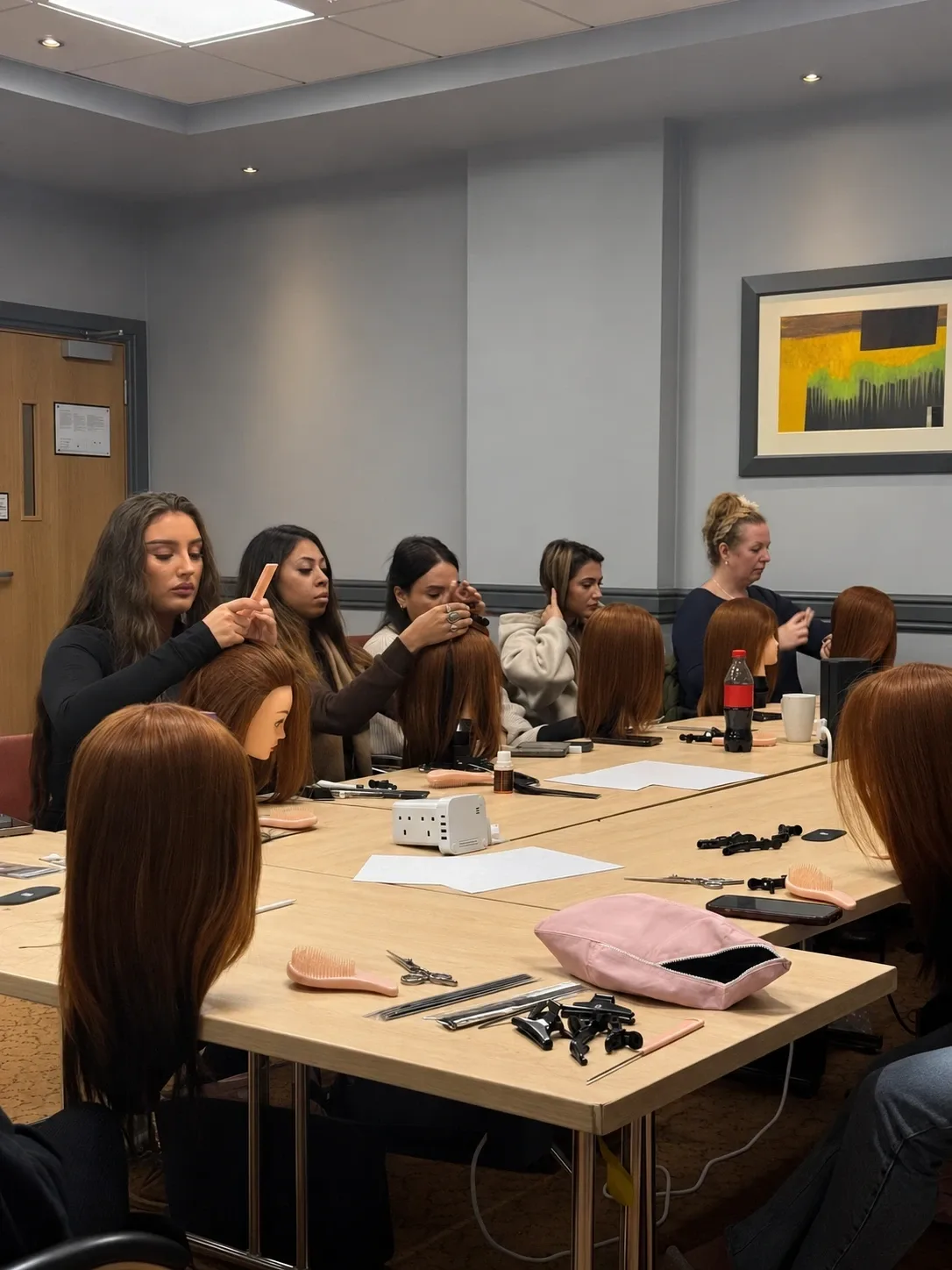
Preparing for a training day is mostly about removing distractions. Confirm the date, venue and kit details, then write down what you want to see demonstrated. Keep that list short enough that you can refer to it while you are working. If you have never fitted extensions before, ask about the first steps of the class. If you have some salon experience, bring an example of a decision that you want more help with.
A week before: confirm what the day involves
Check the exact course you booked, especially if two different classes run close together. It helps to have the class name and date in the same place as the venue confirmation. Ask what time you should arrive and what to bring. If the course lasts two days, check both start and finish times before finalising travel or arranging cover at work.
Ask what is in the training kit. A kit may be included with the course, but the contents and any additional requirements can vary between methods. Let the tutor know if you have been told to bring something that you cannot get hold of. That is easier to sort out in advance than it is on the morning.
If you have any access requirements that affect travel or working in a classroom, ask about the venue before you book transport. Check the final walking route once you have the confirmed location. Plan a small buffer for traffic, parking or a missed connection.
Decide what you want to observe
A technique is easier to follow if you know what you want to pay attention to. Pick one question about preparation, one about fitting and one about checking the result. For example, ask what the tutor looks for before choosing a method, how they judge whether a section is suitable, and how they decide whether to adjust the placement.
You do not need to memorise instructions before you arrive. The aim is to notice what changes a decision. Watch for moments when the tutor pauses, checks their work or starts a section again. Ask them to explain that check. It may be the most useful part of a demonstration, particularly if you would not have spotted a problem by yourself.
If you work in a salon, think of an everyday situation that you can describe without sharing anyone’s personal details. Bring the question in plain terms. A tutor can usually explain the principle more clearly when you give them one specific example.
Set up a note-taking method you can use while working
Keep notes in three sections: what to check before starting, what to observe during the technique, and what to review after finishing. You can fill in a few words at a time. If you try to copy every instruction as it is spoken, you may miss the part that makes the technique clear.
Separate instructions from reminders. An instruction might come from the course handbook or a demonstration. A reminder is something about your own work, such as a step that you forgot to check. Keeping them separate makes it easier to find the official guidance later.
Ask before taking photographs or recording anything. Courses can involve other learners and models, and the tutor may have rules about what can be captured. If recording is unavailable, write down the question you wanted the image to answer. The tutor may be able to show you the relevant detail again.
During practice: ask for one correction at a time
When you ask for feedback, point to the exact place or step that concerns you. Instead of asking whether the whole exercise looks right, ask the tutor to review one section and explain what they would change. Try that correction before asking about the next issue.
A good practice round is small enough that you can repeat it. If an exercise goes wrong, note where the first change appeared. You might have missed a check during preparation or changed your approach partway through. The useful lesson is the point at which you could have made a different decision.
If you finish an exercise early, ask what to repeat. You may learn more from doing a familiar check carefully than by rushing into an additional technique. Take the time to understand how the tutor checks their work at the end and how they explain maintenance or removal.
After the course: turn notes into a practice plan
Before you leave, make sure you know where to find the course material and how to ask follow-up questions. If you are unsure about an instruction, flag it in your notes so you do not rely on memory. Ask what the tutor would like you to practise first and what a satisfactory practice result should look like.
Set aside a short session while the demonstration is still fresh. Review the supplied instructions, prepare the practice materials the tutor recommends and repeat one part of the exercise. At the end, write down what you can do more consistently and what you need checked. That makes your next practice session easier to plan.
If you plan to offer the service commercially, check your training, insurance and any other requirements before taking bookings. Ask your provider about any further assessment or supervised practice that applies to your chosen course.
On the morning
Keep the confirmed venue, travel directions and contact details together. Bring only what you have been asked to bring and leave enough time to get settled. Your most useful preparation is a clear idea of the skill you want to improve and a question you can ask when you get the chance to practise it.
Finally, if you are travelling with another learner, make separate copies of the joining instructions. Agree where you will meet if your journeys take different amounts of time. On arrival, check where you can put your belongings and set out only the materials you need for the first exercise. A clear workspace makes it easier to follow the tutor and keep track of the tools you are using.